Sleep Apnea Test in Kathmandu
Rs. 12000
Sleep Apnea Test in Kathmandu – A Comprehensive Guide
Sleep apnea is a common yet serious sleep disorder where breathing repeatedly stops and starts during sleep. If left untreated, it can lead to several health complications, including heart disease, hypertension, and stroke. In Kathmandu, accessing a reliable sleep apnea test is now easier and more affordable, helping individuals get diagnosed and treated effectively.
If you're experiencing symptoms like loud snoring, gasping for air during sleep, or daytime fatigue, it may be time to consider a sleep study test in Kathmandu. This guide covers everything you need to know about sleep apnea testing, including the cost, benefits, and treatment options.
Sleep Apnea Test Cost in Kathmandu
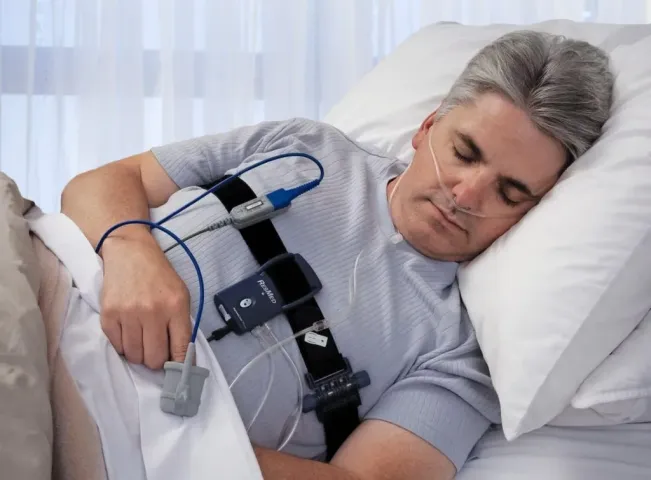
The cost of a sleep apnea test in Kathmandu is NPR 12,000. This price includes a comprehensive sleep study that monitors essential health parameters such as your Apnea-Hypopnea Index (AHI), oxygen saturation, pulse rate, and snoring patterns. The test is conducted either in a clinical setting or from the comfort of your home using advanced, portable equipment.
Considering the long-term health benefits, this cost is a worthwhile investment in your well-being, ensuring you receive the diagnosis and treatment you need to lead a healthier life.
Key Features of Sleep Apnea Test in Kathmandu
Our sleep study offers a range of features to accurately diagnose sleep apnea:
- Sleep Study Level: Level 3 or Level 2 tests, providing a detailed analysis of your sleep patterns and breathing disruptions.
- Disorders Diagnosed: The test primarily focuses on diagnosing sleep apnea.
- Reporting Parameters: Your test results will include key health data such as Apnea-Hypopnea Index (AHI), oxygen saturation levels, pulse rate, and snoring patterns. These parameters help determine the severity of your sleep apnea and guide the appropriate treatment.
Is a Sleep Apnea Test at Home Cost-Effective with Us?
Yes, opting for a home-based sleep apnea test is highly cost-effective. It provides the convenience of undergoing a thorough diagnostic evaluation without the need for an overnight stay at a hospital or sleep clinic. The home sleep test uses advanced portable devices to track your breathing, oxygen levels, and heart rate, ensuring reliable results that can be analyzed by a sleep specialist.
By choosing the home sleep study test in Kathmandu, you save both time and money while getting an accurate diagnosis. It is especially beneficial for individuals who prefer privacy and comfort during the sleep study.
Why Get Tested for Sleep Apnea?
Sleep apnea can severely affect your health and quality of life if left undiagnosed. Common symptoms include:
- Loud snoring
- Gasping for air during sleep
- Interrupted sleep
- Daytime fatigue and drowsiness
- Difficulty concentrating
Getting tested early can help prevent complications like:
- High blood pressure
- Heart disease
- Stroke
- Diabetes
Early diagnosis through a sleep test in Nepal ensures timely intervention and treatment, improving your sleep quality and overall health.
Benefits of In-Home Sleep Apnea Test in Kathmandu
The in-home sleep apnea test offers several advantages:
- Convenience: Conduct the test from the comfort of your home without the hassle of staying at a clinic overnight.
- Affordability: It is a cost-effective alternative to hospital-based sleep studies, offering the same diagnostic accuracy at a lower price.
- Privacy: You can perform the test in a familiar setting, ensuring you sleep more naturally, leading to more accurate results.
- Accessibility: The home sleep test is ideal for individuals with mobility issues or those living far from sleep clinics in Kathmandu.
With a home sleep study test in Kathmandu, you get an efficient, easy-to-use diagnostic tool that provides critical insights into your sleep health.
What Happens if Sleep Apnea is Left Untreated?
Leaving sleep apnea untreated can have serious consequences:
- Heart Problems: The condition increases the risk of cardiovascular issues, including heart attacks and arrhythmias.
- Stroke: Untreated sleep apnea raises your risk of having a stroke.
- Daytime Fatigue: Lack of restful sleep can impair your ability to function, increasing the risk of accidents and affecting your productivity.
- Hypertension: Sleep apnea can lead to chronic high blood pressure, further straining your heart and blood vessels.
Timely diagnosis and treatment are essential for reducing these risks and improving your long-term health.
Treatment for Sleep Apnea
The most common and effective treatment for sleep apnea is the use of a CPAP (Continuous Positive Airway Pressure) machine. This device delivers a steady stream of air into your airways, preventing them from collapsing and allowing for uninterrupted sleep. Other treatment options include:
- Lifestyle Changes: Weight loss, quitting smoking, and avoiding alcohol can help reduce sleep apnea symptoms.
- Oral Appliances: For mild cases, dentists can provide oral devices that keep the airway open during sleep.
- Surgery: In severe cases, surgery might be required to remove excess tissue or correct structural issues in the airways.
FAQs
1. How long does the sleep apnea test take?
The test typically requires one full night of sleep, either in a clinic or at home, to gather sufficient data.
2. Is the test uncomfortable?
The sensors attached to your body during the test are non-invasive and designed to minimize discomfort. Most people adjust quickly and are able to sleep normally.
3. When will I receive the test results?
Results are usually available within a few days after the test. A sleep specialist will analyze the data and provide a detailed report.
4. Can children undergo a sleep apnea test?
Yes, children can also be tested for sleep apnea, especially if they exhibit symptoms like loud snoring or restless sleep.